
Gallery
Gejza Schiller (1894 – 1928)
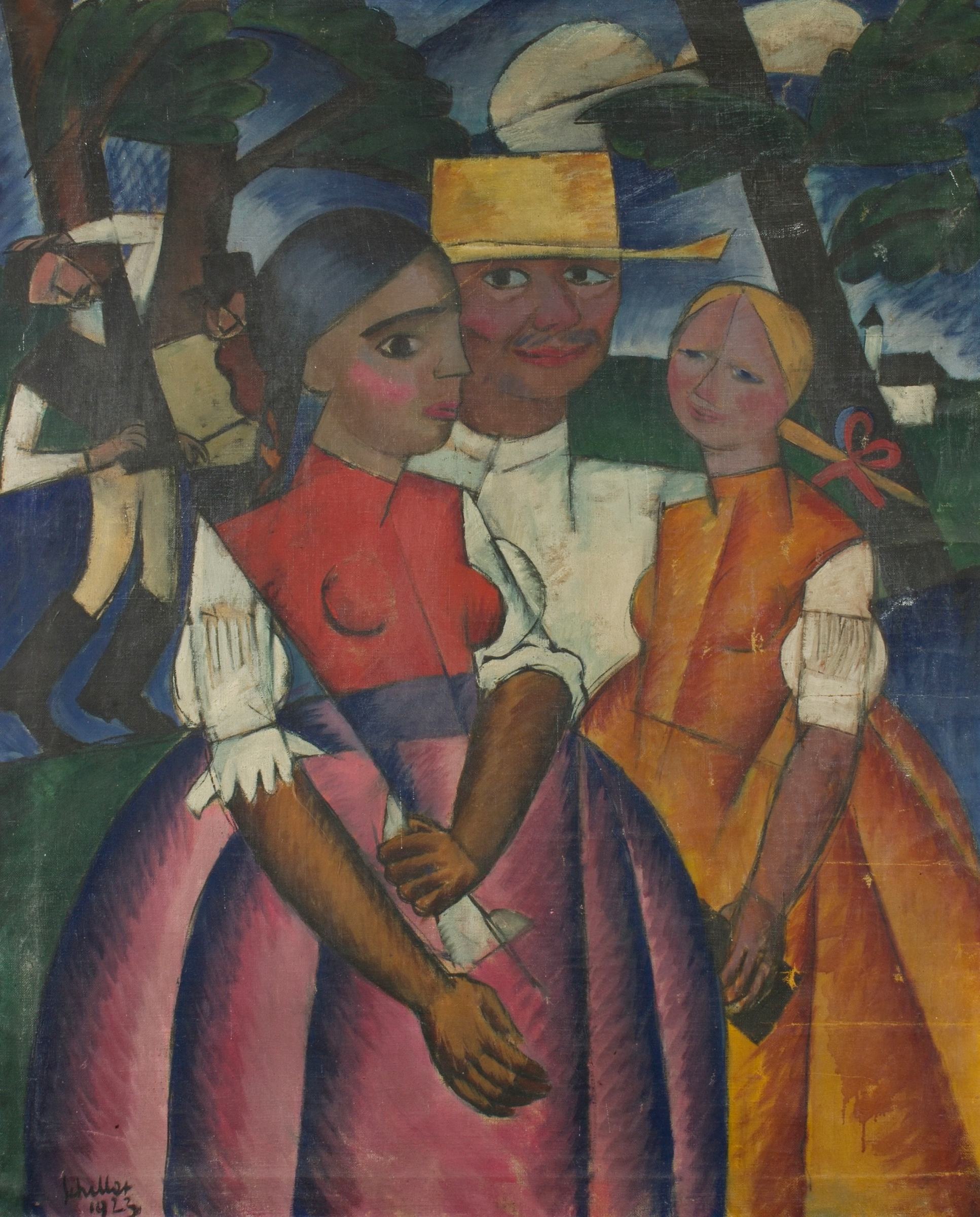
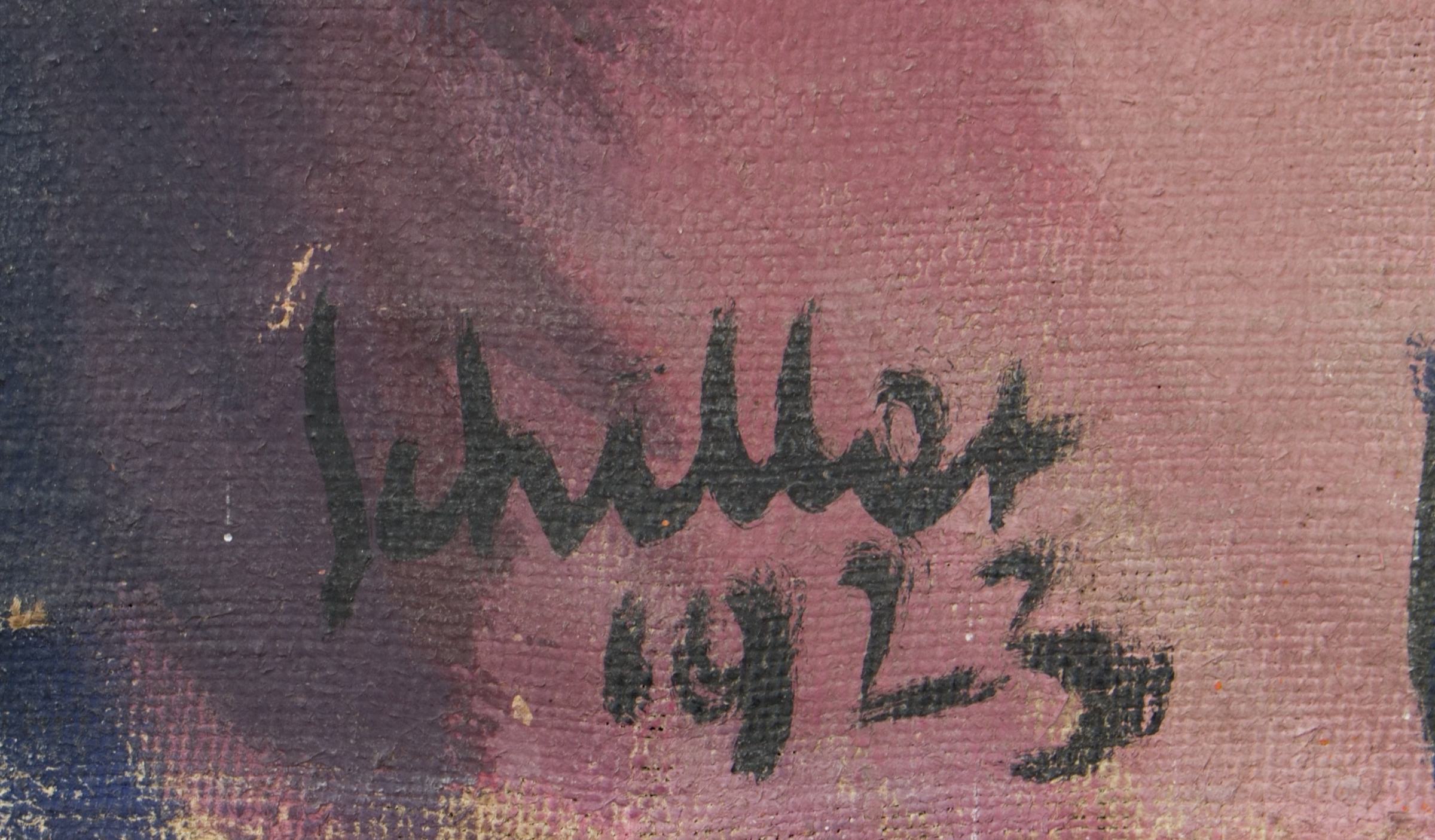
Before the Ceremony, 1923, oil on canvas, signed and dated lower left Schiller 1923, painting dimensions 110 × 90 cm, the painting is in original condition without restoration interventions, overall dimensions with frame 112 × 92.5 cm.
Provenance: The work comes from an important private collection.
This presented work by Gejza Schiller from 1923 represents an exceptionally valuable painting from the peak Košice period of the artist’s career, when he lived and exhibited together with František Foltýn. The painting is distinguished by the strength of its figurative subject, its generous format, and its refined Cubist-Expressionist painterly style. Schiller’s works of this significance belong among the remarkable achievements of Košice Modernism and are almost unobtainable on the market.
Gejza Schiller (1894–1928) was a Hungarian painter, graphic artist, and illustrator who worked primarily in Košice and Arad. He ranks among the important figures of so-called Košice Modernism as well as the Central European avant-garde of the 1920s. In 1922, together with František Foltýn, he organized a joint exhibition in the large hall of the County House in Uzhhorod, followed in 1923 by their second joint exhibition at the East Slovak Museum in Košice. In his work, he inclined toward the stylization of pictorial form through the use of complementary colors and moved toward a simplified, at times almost primitivist visual expression. The formal aspect of his work was probably also influenced by his stay in Berlin and by the circle of Der Blaue Reiter. In 1924, he left Košice for Transylvania, where he devoted himself to literary and theoretical activities. He died prematurely in Budapest on 27 January 1928 at the age of 33.
Other products
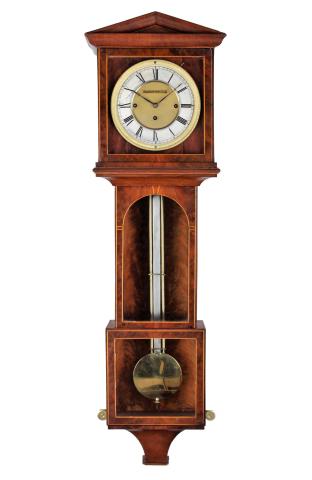
Miniature wall clock - Laterndluhr
Wall-mounted pendulum clock, so-called lantern clock, circa 1830, Vienna; dial signed I. Vlaschitz in Wn. Neustadt (Ignatz Vlaschitz in Wien Neustadt).
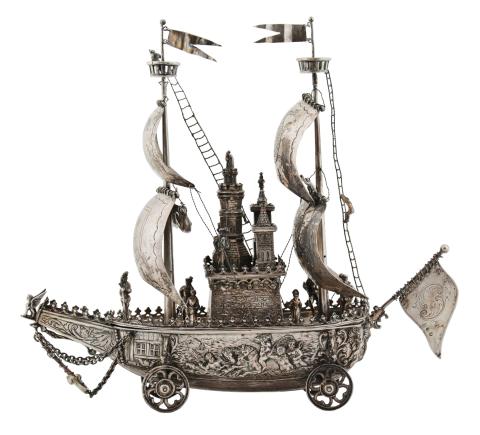
Silver model of a ship with figural decoration
Germany, Hanau, 19th century. Two-part silver model of a ship with rich figural and sculptural decoration, comprising a total of 12 figures.
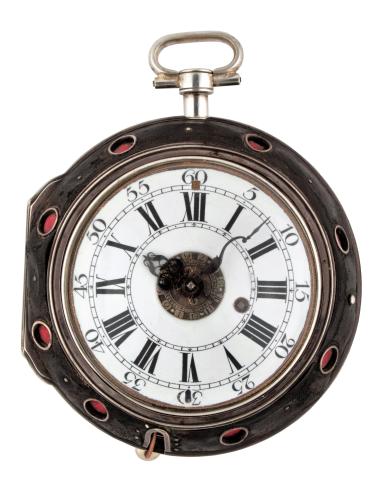
Large Baroque carriage clock – Joseph Spiegel
Germany, Friedberg, Joseph Spiegel (Joseph Miroir), circa 1740. Large double-cased traveling striking clock with date display and alarm.
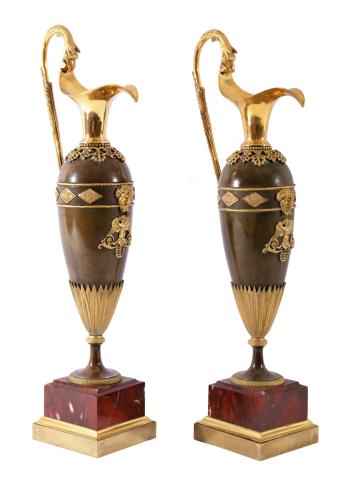
Pair of Empire teapots – Claude Galle
France, Paris, circa 1810. A luxurious pair of bronze ewers produced in the renowned workshop of Claude Galle (1759–1815).